
Description
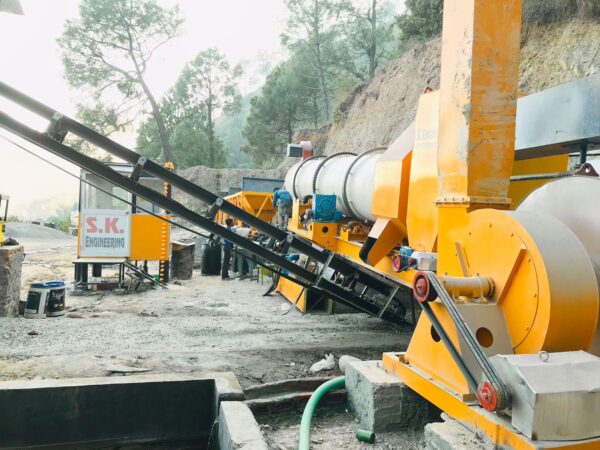
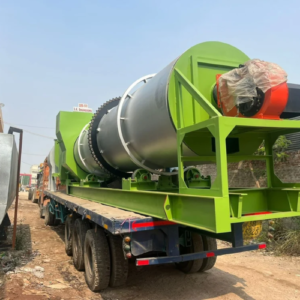
A Mixing Plant is an industrial facility designed for blending raw materials to produce a uniform mixture. These plants are commonly used in road construction, concrete production, and asphalt manufacturing.
Types of Mixing Plants1. Asphalt Mixing Plant
Used for producing hot mix asphalt (HMA) for road construction.
🔹 Types:
- Batch Mix Plant – Produces asphalt in batches for high precision.
- Drum Mix Plant – Continuous production for high efficiency.
- Mobile Asphalt Plant – Portable unit for on-site mixing.
🔹 Key Components:
✔ Cold aggregate feeder bins
✔ Drying drum & burner
✔ Bitumen storage & heating system
✔ Dust collection system
✔ Control panel (PLC-based)
2. Concrete Mixing Plant
Used for producing concrete for construction projects.
🔹 Types:
- Batching Plant – Produces concrete in controlled batches.
- Ready-Mix Plant – Delivers pre-mixed concrete to construction sites.
- Mobile Concrete Plant – Easily transportable for on-site use.
🔹 Key Components:
✔ Aggregate storage bins
✔ Cement silo & weighing system
✔ Water dosing system
✔ Mixing unit (twin-shaft or pan mixer)
✔ Control panel with automation
3. Wet Mix Macadam (WMM) Plant
Used for producing base and sub-base materials for road construction.
🔹 Key Components:
✔ Aggregate feeder bins
✔ Water tank & dosing system
✔ Mixing unit with paddles
✔ Discharge conveyor
✔ Control system
4. Soil Stabilization Plant
Used for mixing lime, cement, and soil for road and land development projects.
🔹 Key Components:
✔ Twin-shaft mixer
✔ Aggregate & cement dosing system
✔ Water control unit
✔ Output conveyor
Key Benefits of a Mixing Plant:
✔ Consistent Mixing Quality – Ensures uniform blend of materials.
✔ High Production Efficiency – Reduces material waste and improves productivity.
✔ Advanced Automation – PLC-based control for precision.
✔ Energy Efficiency – Optimized fuel and power consumption.
Reviews
There are no reviews yet.